Greener Data Is a Physics Problem, Not a Software One
“Greener data” has become a category. And whilst metrics, reporting, certifications and optimization layers might (MIGHT) be helpful, they completely miss the point. Sustainability in this industry (and in most others) isn’t primarily a software problem. It's a physics one.
First Principles
Every data center does one thing:
It converts electrical energy into compute... and then heat. That’s it.
The modern world has been created by semiconductors or chips. A chip is a grid of millions or billions of transistors that remember and convert vast amounts of 1s and 0s into information we understand and vice-versa. Just a single smartphone today requires dozens of chips that have billions of transistors. These transistors amount tot he greatest volume of human-produced things on earth, and they continue to determine the world around us. From military power and the financial markets, to communication, individual productivity and expression, chips make up the modern world. It’s the data centre industry’s job to keep a lot of this operational 99.999% of the time.
Some of the keys questions are:
- How much energy is required?
- Where does that energy come from?
- How efficiently is it used?
- Where does the heat go?
Everything else is secondary.
Efficiency Has Limits
The industry has made some progress:
- Lower PUE (although a lot of companies still skew/doctor thier PUE stats)
- Better cooling systems (unless still air-cooled)
- More efficient hardware
But overall efficiency gains are being outpaced by demand, especially from AI.
You can make a system 20% more efficient. But if demand doubles, total energy use still increases. So efficiency matters. It just doesn’t solve the problem.
The System Is Bigger Than the Building
A data center can look sustainable in isolation and still be inefficient in reality.
For example:
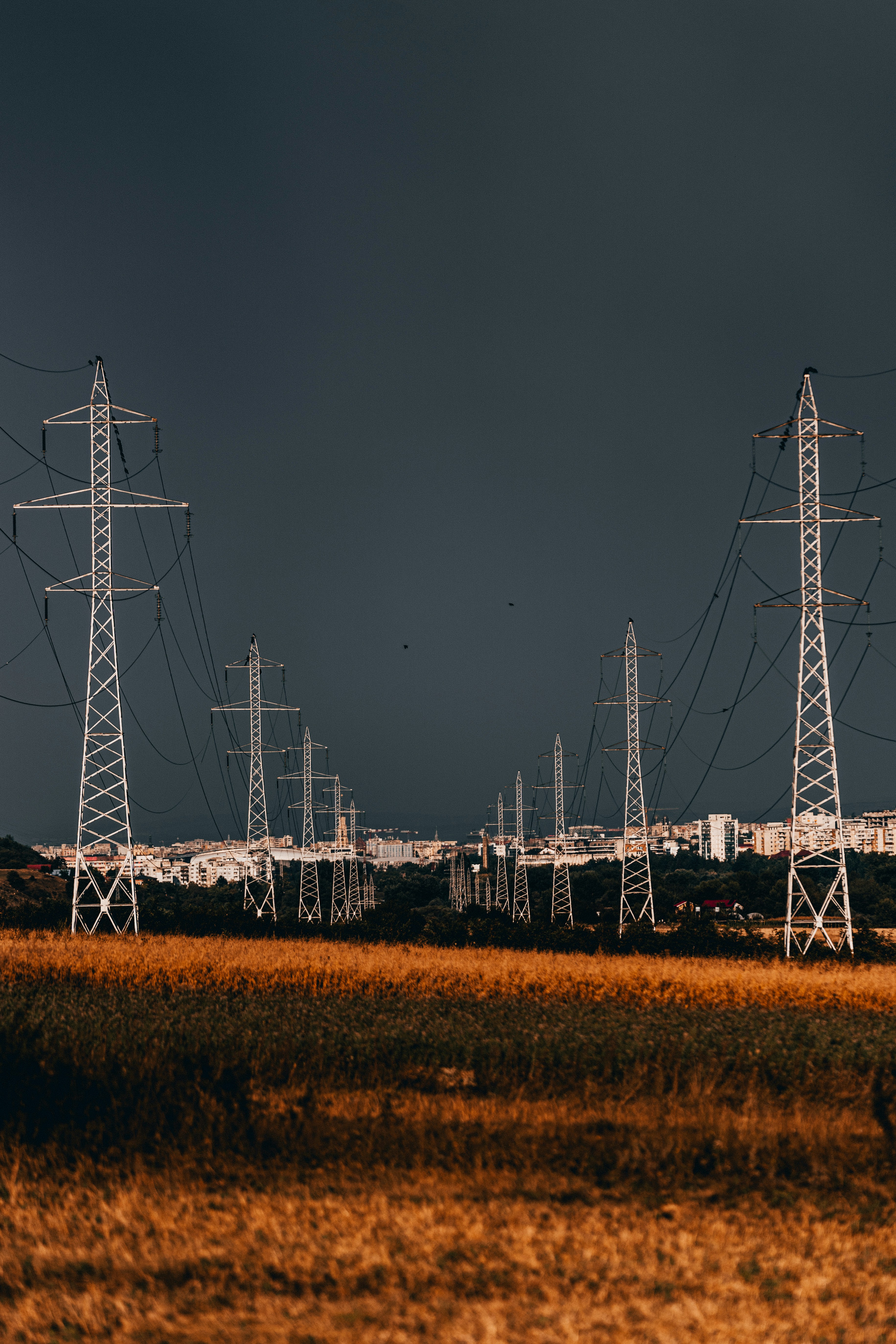
- Grid-supplied power is still be carbon-intensive (it has to be. We can't transition they way the public is being led to believe).
- Embedded emissions from hardware are ignored
- Capacity is overbuilt or misaligned with demand
The issue is system boundaries. If you define them too narrowly, you get the wrong answer (how companies skew the PUE stat).
What Actually Drives Sustainability
There are only a few levers that matter at scale:
- Location — determines energy mix and cooling efficiency
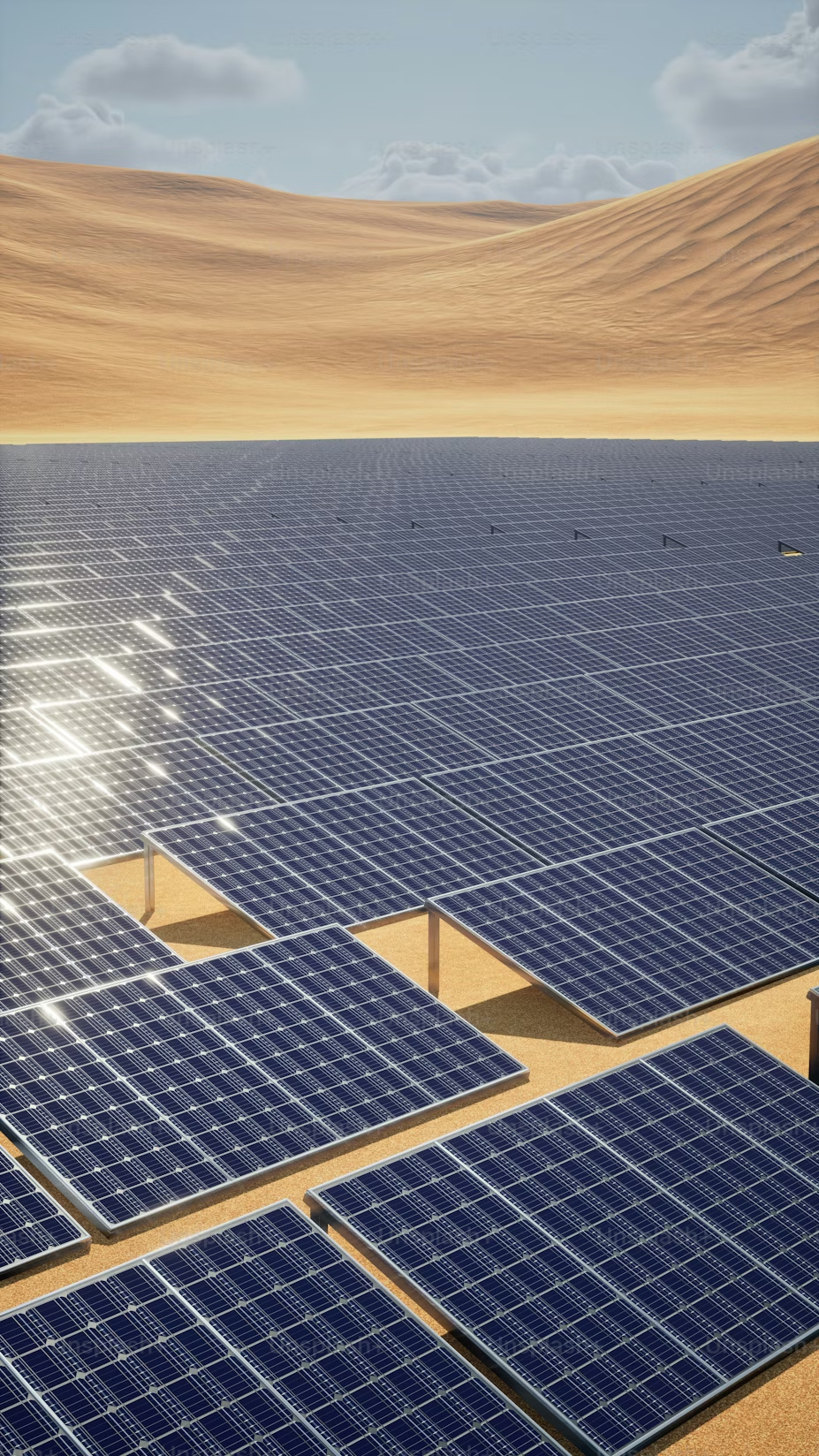
- Energy source — determines carbon intensity
- Utilization — determines how much work you get per unit of energy
- Thermal management — determines how efficiently heat is removed
Everything else refines these, but it doesn’t replace them.
Why Geography Wins
Geography ties all of this together.
It determines:
- Access to power
- Cooling conditions
- Infrastructure constraints
- Long-term scalability
Which means yuou can't make infrastructure greener by optimizing it after the fact. You have to make it greener by putting it in the right place to begin with. For instance: standard immersion cooling requires water to be pumped to remove the heat, but it can be energy intensive to pump water. To pump 1000 cubic meters (one million liters/220,000 gallons) of water per hour requires a minimum 34kWh of energy, if it is at a head of 10 meters (head here refers to the vertical height or distance through which water needs to be lifted). If the head is increased, and in most circumstances it is, it will take 340kWh to pump 1000 cubic meters of water per hour (calculated at ahead of 100 meters). In other words, if the distance from the water source and/or the height of the water source is such that too much pipe resistance is encountered, it’s no longer chiefly environmentally friendly. So much energy is required to pump thiswater effectively, that air cooling doesn’t seem all that bad. Immersion cooling absolutely is the right direction, but it could also prove detrimental if our lens is too narrow, i.e., just getting away from air cooling without optimizing the height/distance from the water source. Free immersion cooling, by contrast, requires no active components for the cooling.
A More Grounded Definition of “Greener Data”
Strip away the B.S, and it comes down to:
- Use less energy where possible
- Use cleaner energy where available
- Build where both are realistically achievable
That’s the framework.
Conclusion
Sustainability in digital infrastructure isn’t abstract. It’s constrained by physics, shaped by geography, and limited by energy systems.You can optimize around those constraints, but you can’t ignore them. In other words, “Greener data” isn’t something you layer on. It’s something you design for from the start.