The Hidden Infrastructure Behind the AI Race
As countries around the world, including the United States, race to enhance their military strategy with AI, many countries will be left behind due to the U.S. and Chinese dominance of inputs to AI. These inputs include algorithms, data, and “compute,” which is the processing power data centers use to turn data into something useful. Countries’ abilities to access these inputs could determine their strategic future.
Governments are already incorporating AI into military strategy. The US, China, Russia, India, France, and Turkey are exploring or already using AI for air defense, targeting, nuclear weapons research, intelligence and analysis of vast amounts of data, adversary movement prediction, scenario modeling, planning, and more.
But this framing (AI as a technological race) misses the more important point and it's that AI is not primarily software, it is infrastructure, and that infrastructure exists in geography (or within a geographical setting).
The Illusion of a Level Playing Field
There is a widely held assumption that AI will democratize power. That smaller nations, given access to models and tools, can compete with larger ones. In reality, AI is mainly doing the opposite. It is concentrating power. The reason is structural and geographical. The three core inputs to AI (compute, data, and algorithms) are not evenly distributed:
- Compute requires hyperscale data centers, energy, and capital
- Data accumulates in large, digitized economies
- Algorithms are developed by a concentrated set of firms and institutions
This creates a hierarchy that mirrors and reinforces existing geopolitical power. In terms of geography, natural resources are required to build and run the data centers... and the GPUs... the transistors. Transistors are essentially made from sand, specifically silicon derived from quartz sand. The sand is highly refined, purified, and grown into single-crystal silicon wafers, which then serve as the foundation for creating billions of tiny, high-performance transistor switches that power modern electronic devices. Only a few countries in the world have the right sand for the grade of GPU required to run the AI the world thinks is coming (and some of which is here).
Compute: The Physical Backbone
Of the three inputs listed above, compute is the most decisive.
It is also the least portable.
Compute depends on physical systems:
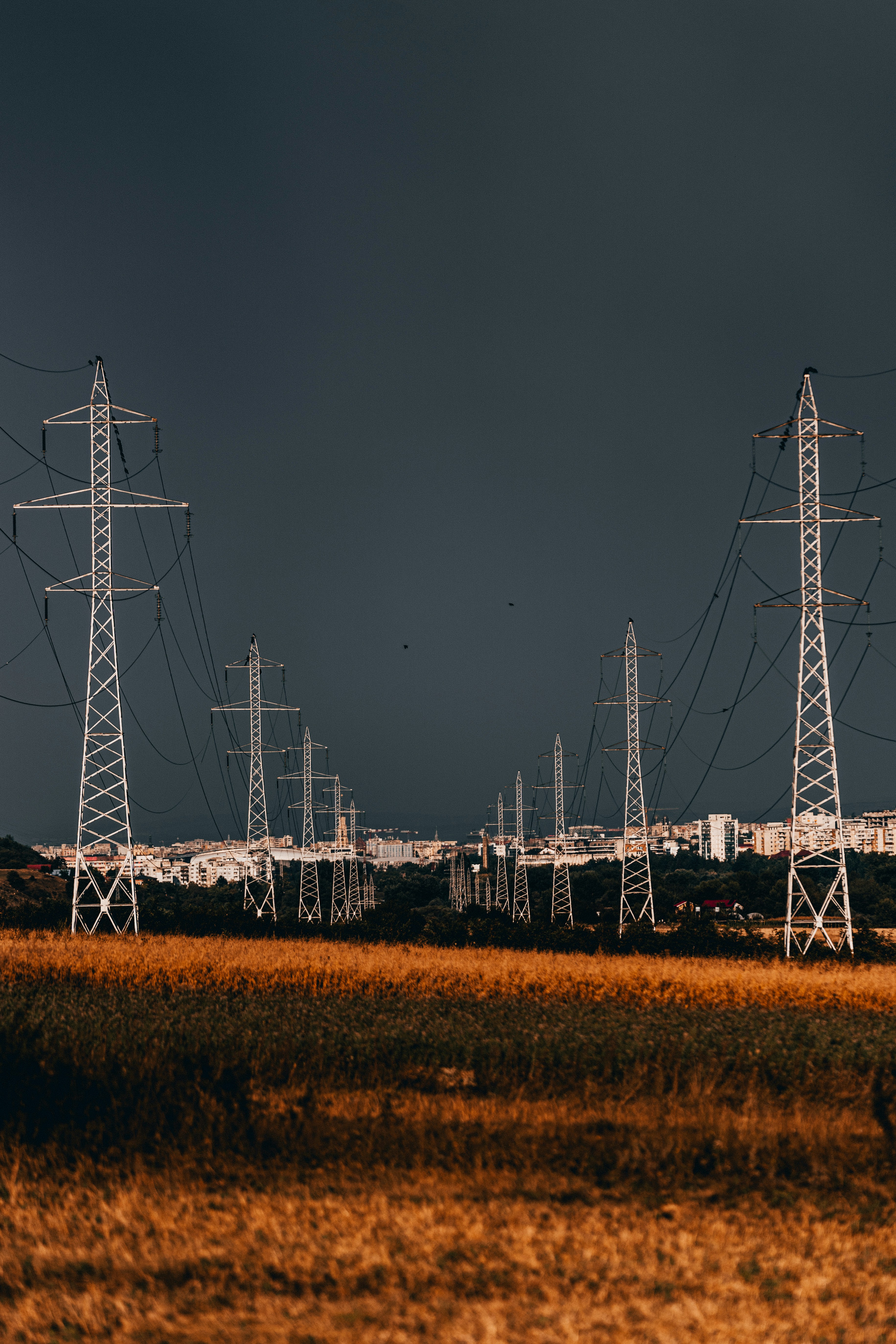
- Power generation (continuous, stable, scalable)
- Land and permitting
- Cooling environments
- Fiber connectivity
- Capital deployment at scale
This is not an abstract constraint, but a hard limit. A country can import software, but it really can't import infrastructure... not easily anyway. And if a country does manage to, it still has to have the proper natural resources to run it properly...
AI as an Energy Problem
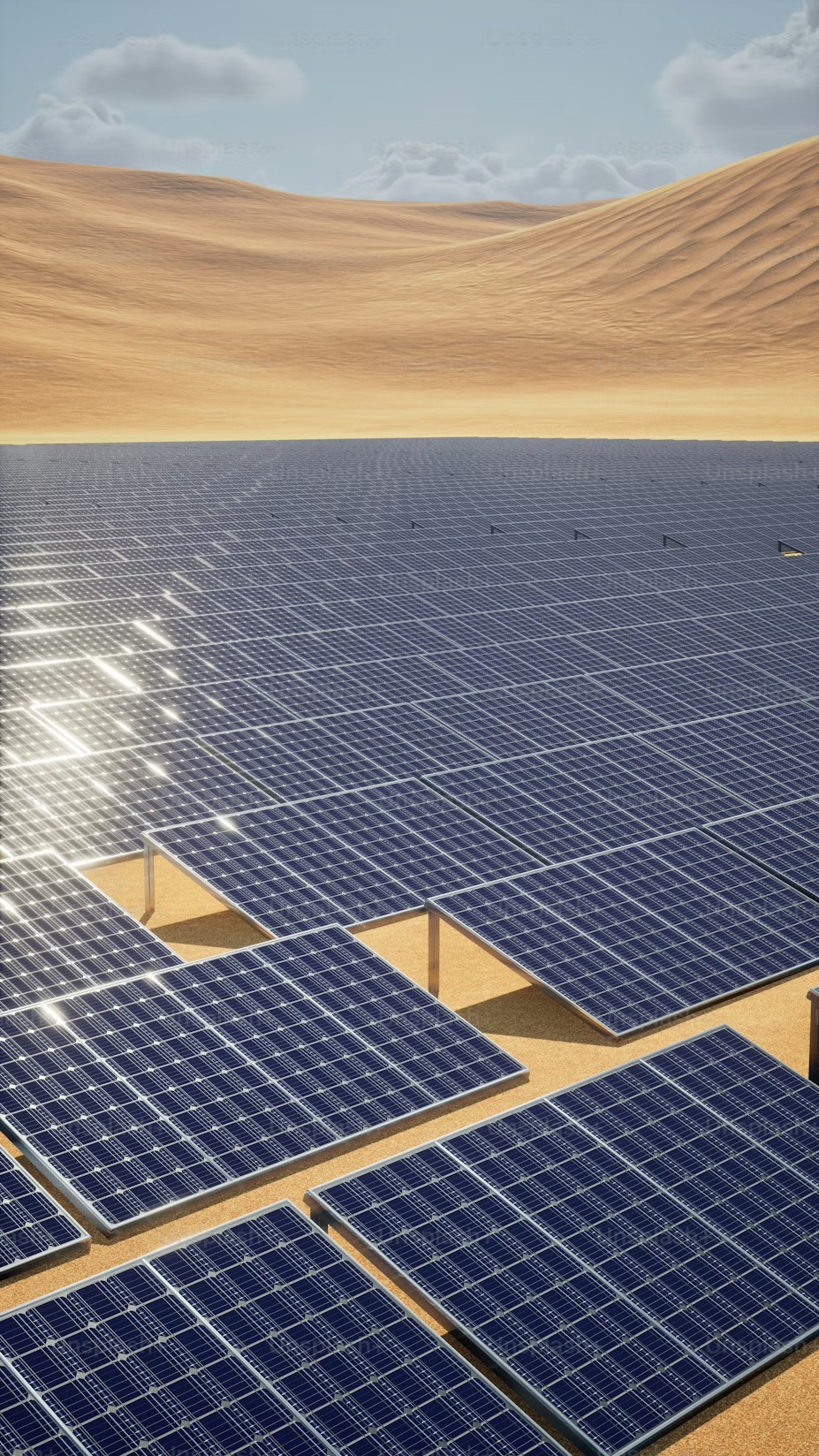
At scale, AI becomes an energy conversion process.
Electricity is turned into computation and computation is turned into "intelligence". This makes energy the foundational constraint.
Countries with:
- Reliable baseload power
- Scalable generation capacity
- Efficient cooling environments
have a structural advantage. Those without these conditions are forced into dependence.
Geography Reasserts Itself
For the past two decades, globalization created the illusion that geography mattered less - data could and was moving pretty freely. Services could be distributed globally, but AI reverses these things. It recenters power around where energy exists or can be brought online quickly, where infrastructure can be built and where supply chains are secure. This isn't new in anyway, it is a return to form. Just as industrial power depended on coal and oil, AI power depends on compute... and compute depends on geography.
The Emerging Divide
The result is a bifurcation:
Compute-rich nations
- United States
- China
- Select allied economies
Compute-constrained nations
- Most of the world
The divide is not just economic. Countries without compute capacity are not just behind they are structurally limited in:
- Military capability
- Economic productivity
- Intelligence systems
- Technological sovereignty
And for any emerging threats to the compute rich nations, sanctions on imports (of any kind that bolster AI (read: data centers), will be likely be leveraged.
Conclusion
AI is often described as a digital revolution. In practice, it is deeply physical. It depends on land, energy, infrastructure, and capital and it depends on where data centers can be built and powered. The AI race, therefore, is not just about models or algorithms; It is a little bit more about who controls the systems that make them possible. And those systems are not evenly distributed.