There’s a tendency in this industry to treat compute as abstract.
It isn’t.
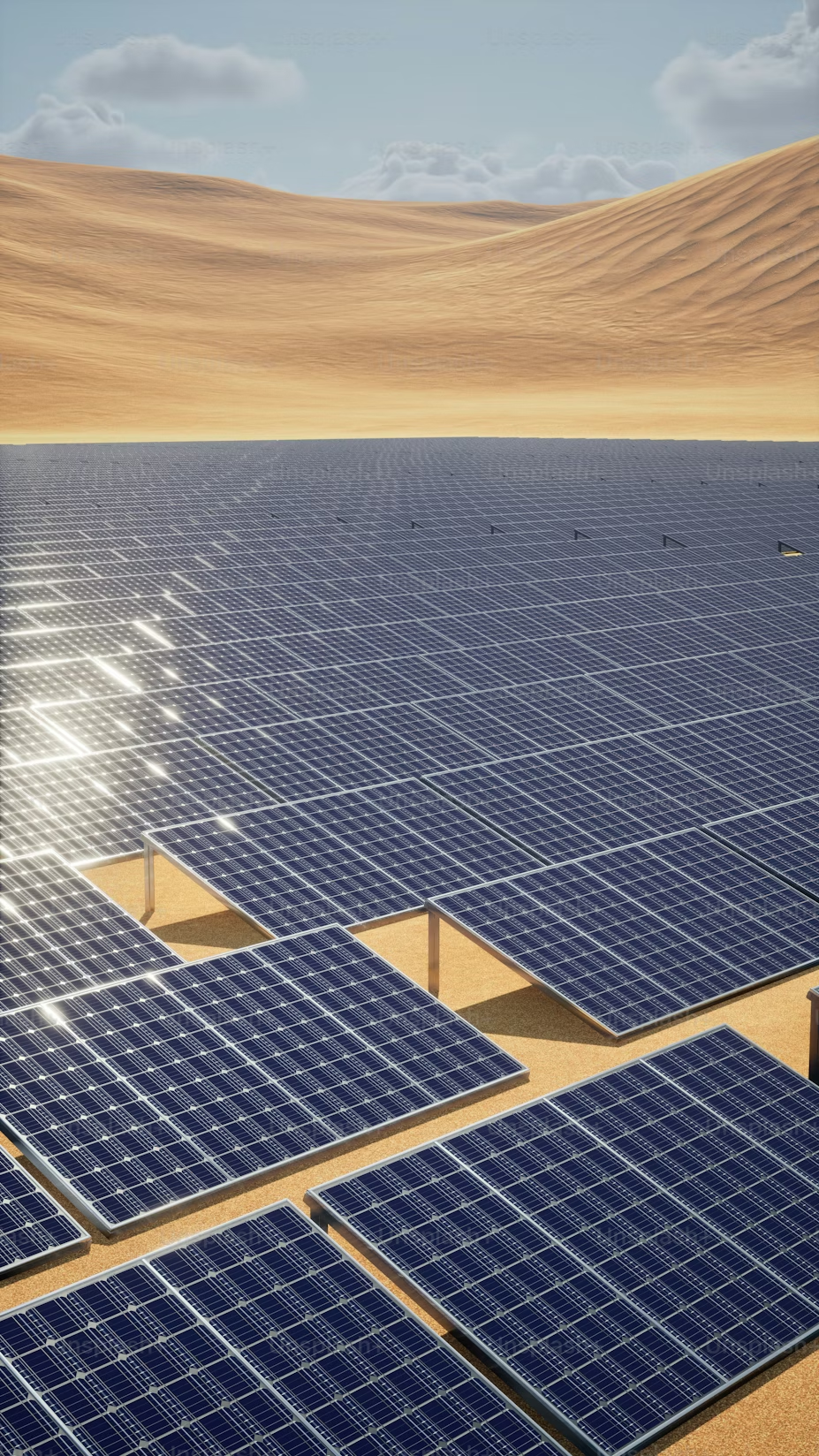
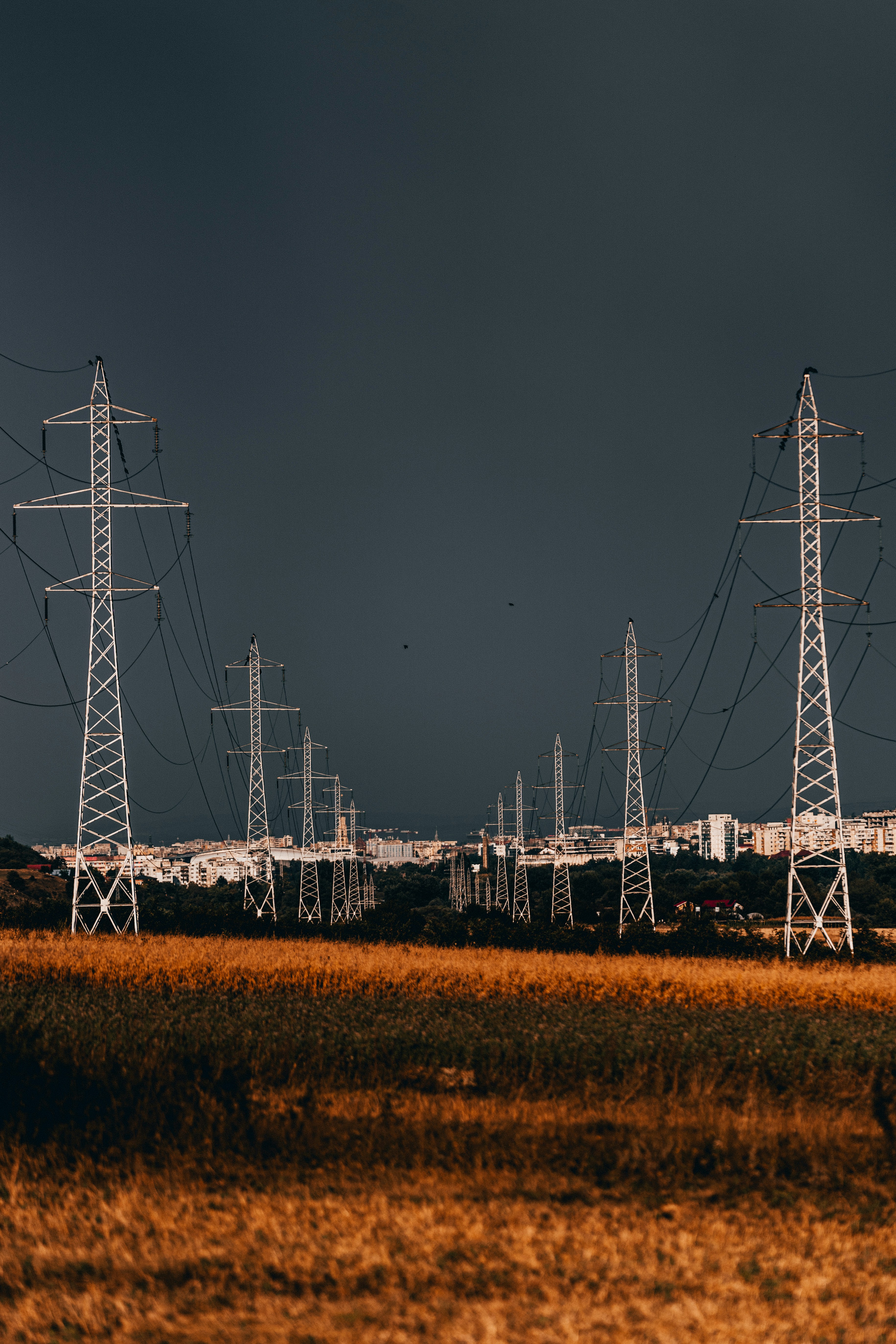
AI runs on physical infrastructure. And that infrastructure runs on power—continuous, scalable, and geographically constrained power.
That’s the real bottleneck.
For years, the data center industry has been demand-driven. Build more capacity, and it gets used. But AI changes the equation. It doesn’t just increase demand—it concentrates it. Higher densities, more continuous workloads, and less tolerance for interruption.
And suddenly, the constraint isn’t demand.
It’s supply.
Specifically: where can you actually get power?
The Shift Happening Now
We’re already seeing it:
- Grid connection delays stretching years
- Moratoriums in major data center hubs
- Non-firm power agreements becoming normalized
- Increasing competition with other industrial users
The industry is quietly transitioning from compute-constrained to power-constrained.
And that changes everything.
Because power isn’t evenly distributed. It depends on:
- Local generation capacity
- Grid infrastructure
- Regulatory environment
- Competing demand
A megawatt isn’t just a unit of power—it’s a function of location.
Why AI Makes This Worse
Traditional workloads had variability. AI doesn’t.
Training runs are intensive. Inference at scale is continuous. GPU clusters operate at higher utilization and density than legacy compute.
This creates two problems:
- Higher baseline demand
- Less flexibility in how that demand is served
You can’t easily shift or throttle critical AI workloads without impacting performance.
So the system needs stable, always-on power.
That narrows your options.
The Myth of Location-Agnostic Compute
There’s still a lingering assumption that compute can go anywhere.
It can’t.
Where you build determines:
- Whether you can secure power at all
- What that power costs
- How reliable it is
- What its carbon intensity looks like
Some regions have structural advantages. Others don’t.
And as demand increases, those differences stop being marginal—they become decisive.
What This Means Going Forward
The implication is simple:
Infrastructure strategy is now energy strategy.
You don’t start with demand and figure out where to serve it.
You start with power—and build around it.
That means:
- Prioritizing locations with scalable, reliable energy
- Designing systems that align with local constraints
- Accepting that not all markets are equally viable
This isn’t a temporary phase.
It’s the new baseline.
Conclusion
AI isn’t just pushing the limits of compute.
It’s exposing the limits of the physical systems underneath it.
And those limits are geographic.
If you ignore that, you don’t get greener infrastructure.
You just get constrained infrastructure.